Get Wall Heating Installation
Local contractors can install wall heating systems to improve indoor comfort, address uneven temperatures, and handle projects in new or existing buildings.
Wall heating installation can be a practical solution for property owners seeking efficient and space-saving heating options. Whether upgrading an existing system or planning a new project, exploring local contractors who specialize in wall heating can help ensure the work is handled by experienced professionals familiar with the area's building standards and climate considerations. This approach allows property owners to compare different service providers and find solutions tailored to their specific needs.
Focusing on local contractors for wall heating installation offers the advantage of working with experts who understand the unique requirements of properties in the area. Property owners interested in this work often consider it for improved energy efficiency, enhanced comfort, or to modernize their heating systems. Continuing to explore available options can help identify the right professionals to plan and execute a project that meets individual property goals.
- Wall heating installation - homeowners seeking an efficient heating solution for specific rooms or areas.
- Radiator wall heating setup - property owners upgrading or replacing outdated or non-functional wall-mounted heaters.
- New construction wall heating - builders or developers installing heating systems in newly built residential or commercial spaces.
- Bathroom wall heating - individuals looking to add warmth and comfort to bathrooms or other moisture-prone areas.
- Retrofit wall heating systems - those updating or improving existing heating setups for better performance or energy efficiency.
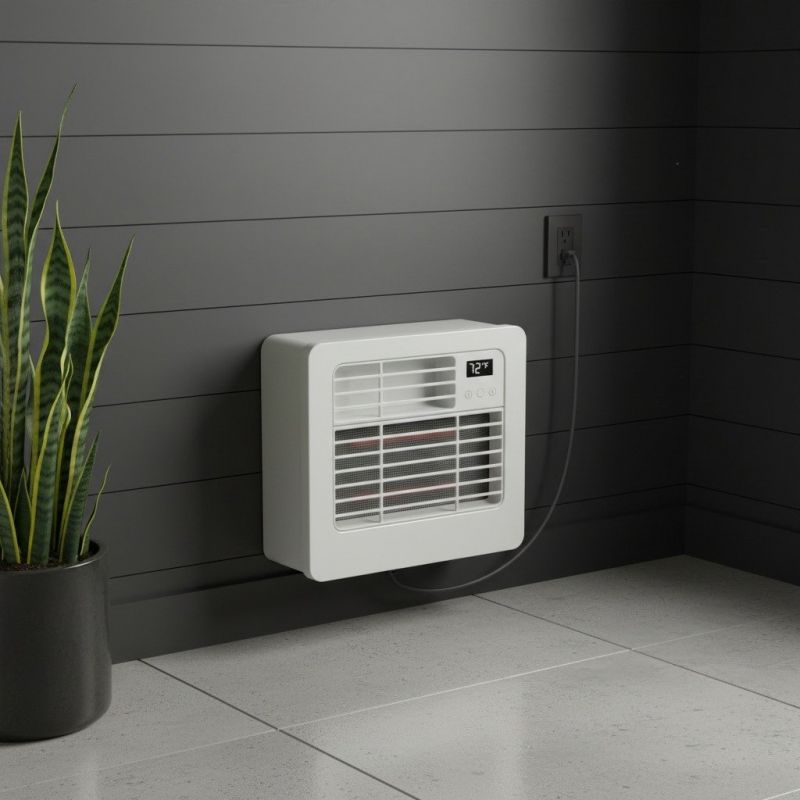
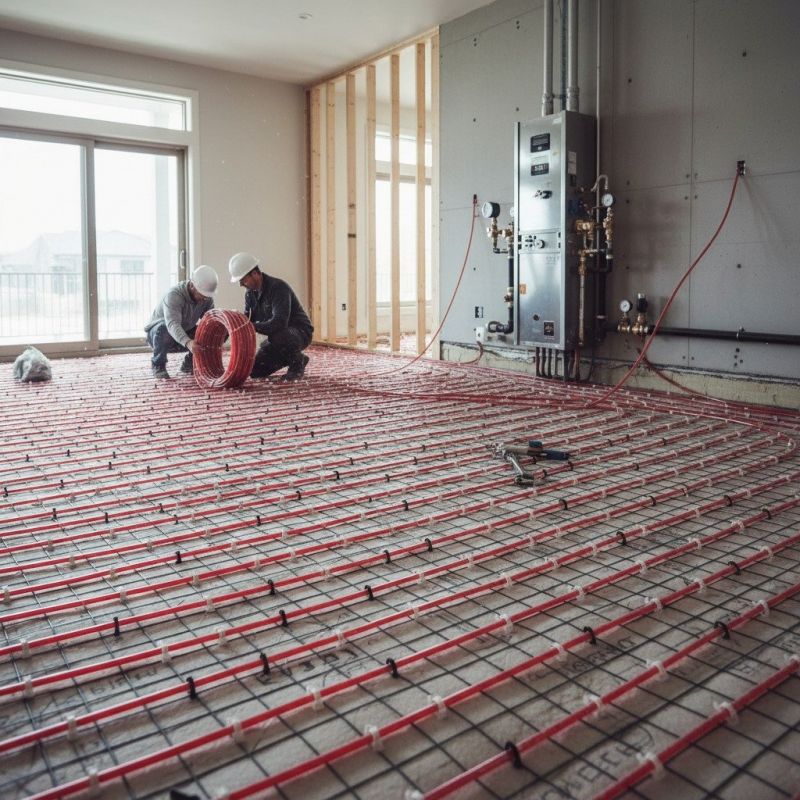
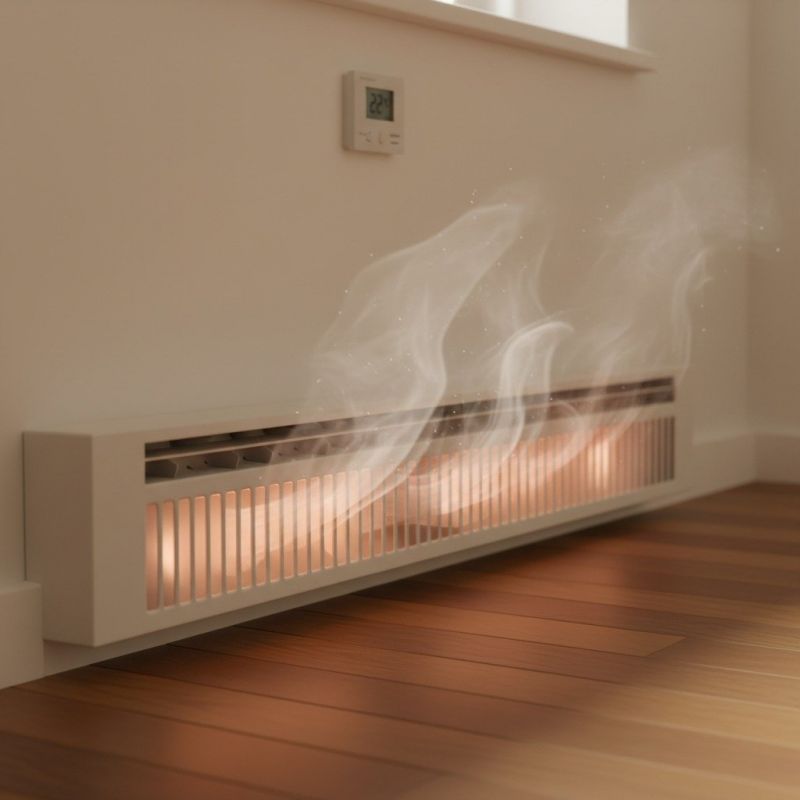
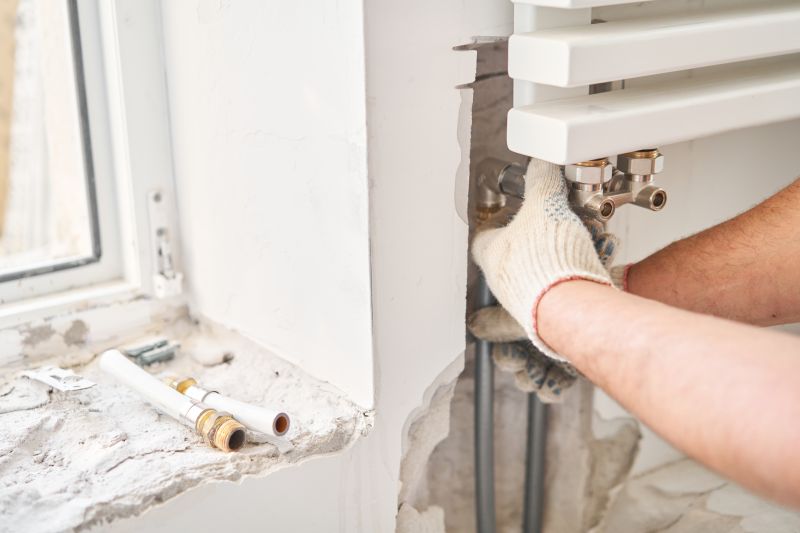
Wall heating installation services involve setting up a heating system that uses wall-mounted units to distribute warmth throughout a space. This process typically includes selecting appropriate wall-mounted radiators or panels, preparing the wall surfaces, and ensuring proper connections to the home's existing heating infrastructure. Professional contractors focus on installing these systems efficiently and securely, helping homeowners achieve even, comfortable heat in their living or working areas. Proper installation is essential to maximize the system’s effectiveness and ensure it operates safely and reliably.
Wall heating systems are especially useful for addressing cold spots or uneven heating within a property. They can help solve issues such as drafts, chilly floors, or rooms that struggle to stay warm with traditional heating methods. These systems are also a practical solution for homeowners seeking to optimize space, as wall-mounted units do not take up floor area and can be installed in rooms with limited space. Additionally, wall heating can provide a quiet, unobtrusive source of heat, making it a popular choice for bedrooms, living rooms, or areas where a consistent temperature is desired.
This type of heating is commonly installed in a variety of properties, including single-family homes, apartments, and condominiums. It is suitable for both new construction projects and retrofit situations where existing heating options may not be sufficient or practical. Wall heating can be particularly beneficial in homes with particular design preferences, such as modern or minimalist aesthetics, since the units are often sleek and unobtrusive. Commercial spaces, such as offices or retail stores, may also use wall heating to maintain a comfortable environment for employees and customers.
Homeowners who experience uneven heating, high energy bills, or want a discreet heating solution might find wall heating installation services to be a practical option. When considering this upgrade, it’s important to work with local contractors who understand the specific needs of different property types and can recommend the best systems for each situation. Connecting with experienced service providers can help ensure the installation is done correctly and that the new heating system functions efficiently, providing consistent warmth and comfort throughout the space.
The overview below groups typical Wall Heating Installation projects into broad ranges so you can see how smaller, mid-sized, and larger jobs often compare in your area.
In many markets, a large share of routine jobs stays in the lower and middle ranges, while only a smaller percentage of projects moves into the highest bands when the work is more complex or site conditions are harder than average.
Smaller Repairs - Minor wall heating repairs or adjustments typically cost between $250 and $600. Many routine fixes fall within this range, depending on the extent of the work needed by local contractors.
Basic Installation - Installing a new wall heating unit or replacing an existing system generally ranges from $1,000 to $3,000. Most projects in this category are straightforward and fall into the middle of this range.
Full System Replacement - Replacing an entire wall heating system can cost between $3,500 and $7,000, with larger, more complex projects sometimes exceeding this range. Fewer projects reach into the highest tiers, which usually involve extensive work or custom installations.
Complex or Custom Projects - Highly customized or multi-room installations can range from $7,000 to $15,000 or more. These projects are less common and typically involve additional structural work or advanced system integration.
Actual totals will depend on details like access to the work area, the scope of the project, and the materials selected, so use these as general starting points rather than exact figures.
Underfloor Heating Installation - involves similar planning and skill sets to wall heating, focusing on installing heating systems beneath flooring surfaces for efficient warmth.
Radiant Ceiling Panel Setup - requires knowledge of radiant heat distribution and precise installation, making it comparable to wall heating system setup.
Hydronic Heating System Installation - involves working with water-based heating solutions that can be integrated into walls or floors, sharing similar components and planning considerations.
Baseboard Heating Installation - involves installing heating units along walls, requiring similar spatial planning and understanding of heat distribution as wall heating systems.
Electrical Heating Panel Setup - includes installing electric panels on walls for supplemental heating, sharing skills related to electrical wiring and wall preparation.
Indoor Climate Control System Integration - involves coordinating with heating systems to optimize indoor comfort, requiring similar planning and technical knowledge as wall heating installation.
When evaluating contractors for wall heating installation, it’s important to consider their experience with similar projects. Homeowners should inquire about how many wall heating systems the service providers have installed that are comparable in size and scope to the current project. An experienced contractor will be familiar with common challenges and best practices, which can help ensure the work is completed efficiently and effectively. Checking for a history of successful installations in the local area can provide additional confidence that the contractor understands the specific requirements and conditions of the region.
Clear, written expectations are essential for a smooth installation process. Homeowners should seek service providers who can provide detailed proposals outlining the scope of work, materials to be used, and the steps involved in the project. Having this information documented helps prevent misunderstandings and ensures everyone is aligned on what the project entails. It’s also helpful to ask about warranties or guarantees offered on the work and materials, so expectations regarding quality and accountability are transparent from the outset.
Good communication and reputable references are key indicators of a reliable contractor. Homeowners should look for local service providers who are responsive and willing to answer questions thoroughly. Additionally, asking for references from previous clients who had similar work done can provide insights into the contractor’s professionalism, quality of work, and ability to meet deadlines. While the site introduces homeowners to local options, it’s ultimately up to the homeowner to contact and evaluate each contractor’s reputation and communication style to find a good match for the project.
Property owners use Wall Heating Installation services for practical projects around their homes and businesses. This guide focuses on everyday jobs and straightforward project options.
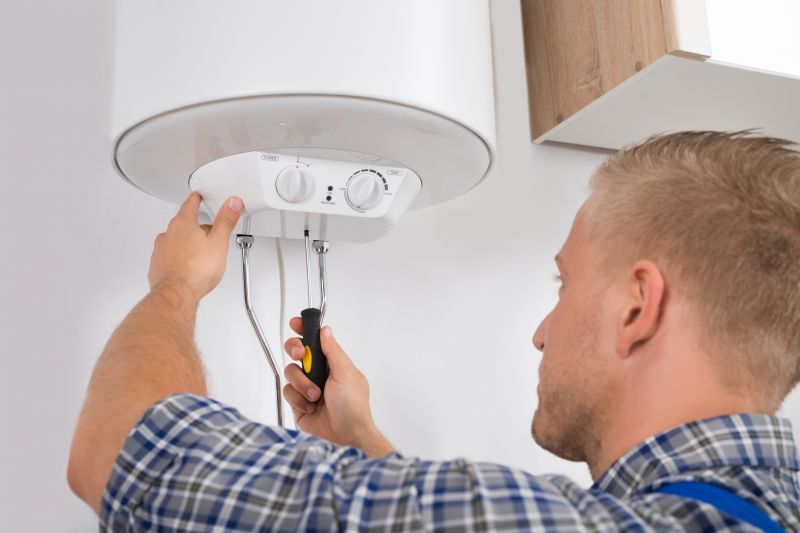
Wall heating installation is a common project for property owners looking to improve indoor comfort and efficiency. Whether upgrading an existing system or installing new heating solutions in a home or small commercial space, local contractors can handle a variety of wall-mounted heating setups. Homeowners might seek these services when replacing outdated units, adding a new heating zone, or customizing a space for better temperature control during colder months.
Many property owners consider wall heating installation to optimize space and achieve a clean, unobtrusive look in their interiors. Local service providers are often approached for their ability to install these systems in different types of buildings, from renovations to new constructions. Whether for a single room or multiple zones, local contractors can assist with the installation process, ensuring the system functions efficiently and meets the specific needs of the property.
What are the benefits of wall heating installation? Wall heating can provide efficient and even heat distribution, saving space and enhancing comfort in a home or building.
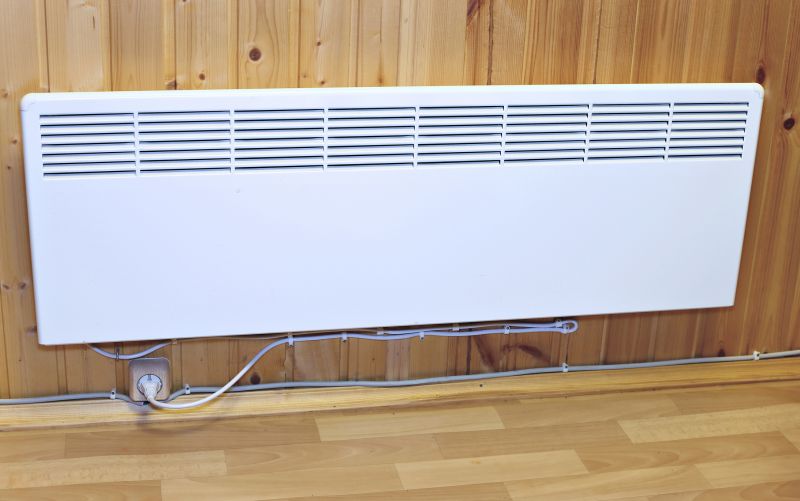
Which types of wall heating systems are available? Common options include electric wall heaters and hydronic systems that use hot water to generate warmth.
How do local contractors handle wall heating installation? They assess the space, recommend suitable systems, and install the heating units according to the specific needs of the property.
Is wall heating suitable for all types of rooms? Wall heating can be installed in a variety of rooms, but suitability depends on factors like room size, insulation, and existing infrastructure.
What should be considered before installing wall heating? Factors such as room layout, insulation quality, and existing electrical or plumbing systems can influence the installation process and system choice.
Wall Heating Installation for Renovations - Property owners can explore installing wall heating systems during home upgrades to improve room comfort and efficiency.
Adding Wall Heating to New Constructions - Builders and homeowners can incorporate wall heating into new builds for even heat distribution and a sleek appearance.
Upgrading Old Heating Systems - Those replacing outdated or inefficient heating units can consider wall systems as a modern alternative for better performance.
Creating Zone Heating Areas - Property owners can use wall heating to set specific zones within a home, enhancing control over different living spaces.
If you are thinking about Wall Heating Installation for a property, this guide is meant to help you understand the work, the typical project types, and how different options might fit your plans.
When you are ready, you can use the quote form on this page to share a few details about your project. From there, local pros can review the basics and respond with options that match what you have in mind.